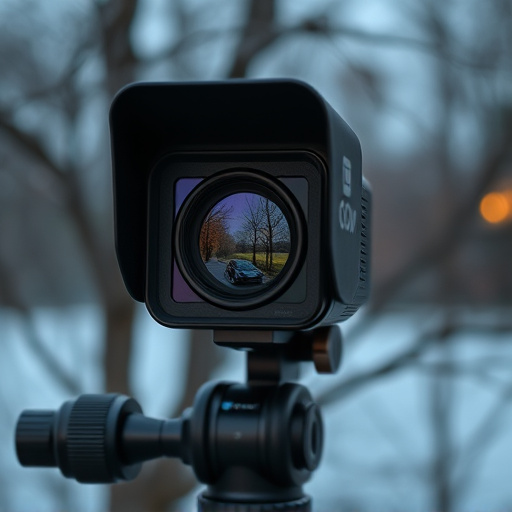
Wireless Night Vision Security Cameras Indoors are enhancing security with advanced RF technology, offering seamless installation and unobtrusive surveillance via heat signature and motion detection. Understanding the RF spectrum is crucial for detecting these cameras, as they transmit signals within specific bands. Specialized tools like signal detectors and spectrum analyzers aid in locating hidden cameras, which are often disguised as everyday objects. Regular inspections and preventive measures such as RF detection, firmware updates, faraday cages, and encrypted channels significantly enhance privacy protection against covert surveillance using Wireless Night Vision Security Cameras Indoors.
Uncover the unseen with our comprehensive guide to detecting hidden cameras using radio frequency (RF) technology. In today’s digital age, wireless night vision security cameras indoors have become a growing concern for privacy and security. This article demystifies RF surveillance by exploring common camera types, the RF spectrum’s role, and practical methods for detection. Learn where to look, understand essential tools, and gain strategies to prevent unauthorized RF intrusion into your personal or professional spaces.
- Understanding Wireless Night Vision Security Cameras Indoors
- The Radio Frequency (RF) Spectrum and Hidden Cameras
- Detecting RF Signals: Tools and Techniques
- Common Places to Find Hidden RF Cameras
- Preventing and Securing Against Wireless Camera Intrusion
Understanding Wireless Night Vision Security Cameras Indoors
Wireless Night Vision Security Cameras Indoors have become increasingly popular for home and business security due to their advanced capabilities and ease of installation. These cameras utilize radio frequency (RF) technology to transmit video signals wirelessly, allowing for a seamless setup with no need for complex wiring. This feature makes them ideal for indoor spaces where running cables can be challenging or unsightly.
By harnessing RF, these cameras offer unobtrusive surveillance, providing clear and detailed footage even in complete darkness. They are designed to detect heat signatures and motion, triggering recording and alerts without compromising privacy. The wireless nature also facilitates easy placement, as they can be strategically positioned to cover blind spots and high-risk areas within a building.
The Radio Frequency (RF) Spectrum and Hidden Cameras
The Radio Frequency (RF) spectrum is a vast and intricate network of frequencies that enable various forms of wireless communication, including hidden cameras. These tiny devices often operate within specific frequency bands to transmit video signals discreetly, making them challenging to detect with conventional means. Hidden cameras, especially those designed for indoor use like Wireless Night Vision Security Cameras, utilize RF technology to capture and relay footage without drawing attention. Understanding the RF spectrum is crucial in navigating the landscape of hidden camera detection, as it allows individuals to identify potential sources of wireless interference or signal anomalies that could indicate the presence of these devices.
The RF spectrum is divided into different ranges, each with its unique characteristics and applications. By familiarizing themselves with these bands, users can employ specific techniques to detect hidden cameras. For instance, certain frequencies are more commonly associated with security devices, making it possible to use signal scanners or analyzers to identify unusual activity within the spectrum. This knowledge is particularly useful for professionals who specialize in electronic countermeasures and digital forensics, enabling them to uncover hidden surveillance equipment and protect privacy in both public and private spaces.
Detecting RF Signals: Tools and Techniques
Detecting RF signals is a crucial skill in identifying hidden wireless night vision security cameras indoors. Tools like signal detectors and spectrum analyzers are essential for this task. These devices can pick up on the radio frequency (RF) emissions that many cameras emit, helping you locate hidden equipment. By scanning through different frequencies, you can identify unusual signals that might be coming from covert surveillance devices.
Techniques such as frequency sweep and signal analysis play a vital role in pinpointing these hidden cameras. Frequency sweep involves systematically checking a range of RF frequencies to detect any anomalous signals. Signal analysis, on the other hand, allows for a closer examination of detected signals, enabling you to identify patterns and characteristics unique to wireless night vision security cameras. This process requires careful navigation through the complex radio spectrum, but with the right tools and knowledge, it becomes an effective method to ensure privacy and security in indoor spaces.
Common Places to Find Hidden RF Cameras
Hidden RF cameras, often disguised as everyday objects, can be found in various locations within a building, especially in areas where wireless night vision security cameras are installed. Common spots include corners, behind furniture, and along walls, as these places offer optimal visibility without drawing attention. The use of radio frequency (RF) technology allows these devices to transmit signals discreetly, making them hard to detect with the naked eye.
Indoors, such hidden cameras can be nestled in ceiling tiles or behind paintings, taking advantage of natural hiding spots. They might also be integrated into everyday items like clocks, smoke detectors, or even houseplants, providing a covert means of surveillance. It’s essential to be vigilant and regularly inspect these areas when dealing with suspected RF camera installations to ensure privacy and security.
Preventing and Securing Against Wireless Camera Intrusion
Preventing and securing against wireless camera intrusion is a crucial step in safeguarding your privacy, especially with the prevalence of advanced Wireless Night Vision Security Cameras Indoors. One effective method is to employ RF (Radio Frequency) detection technologies that can identify and locate hidden cameras transmitting data wirelessly. Regularly updating firmware on your security devices ensures they remain protected against new vulnerabilities.
Additionally, physical measures such as using faraday cages or shielding materials around sensitive areas can prevent wireless signals from penetrating. It’s also important to encrypt all communication channels used by your security systems to make them more secure from unauthorized access. By combining these strategies, individuals and organizations can better protect their spaces from covert surveillance using Wireless Night Vision Security Cameras.
Wireless Night Vision Security Cameras Indoor offer advanced surveillance capabilities, but their hidden nature presents a unique challenge. Understanding the RF spectrum and familiarizing yourself with common placement areas are essential steps in detecting these cameras. By employing the right tools and techniques to detect RF signals, you can secure your spaces from potential wireless camera intrusion. Stay proactive and protect your privacy by implementing prevention measures outlined in this guide.